

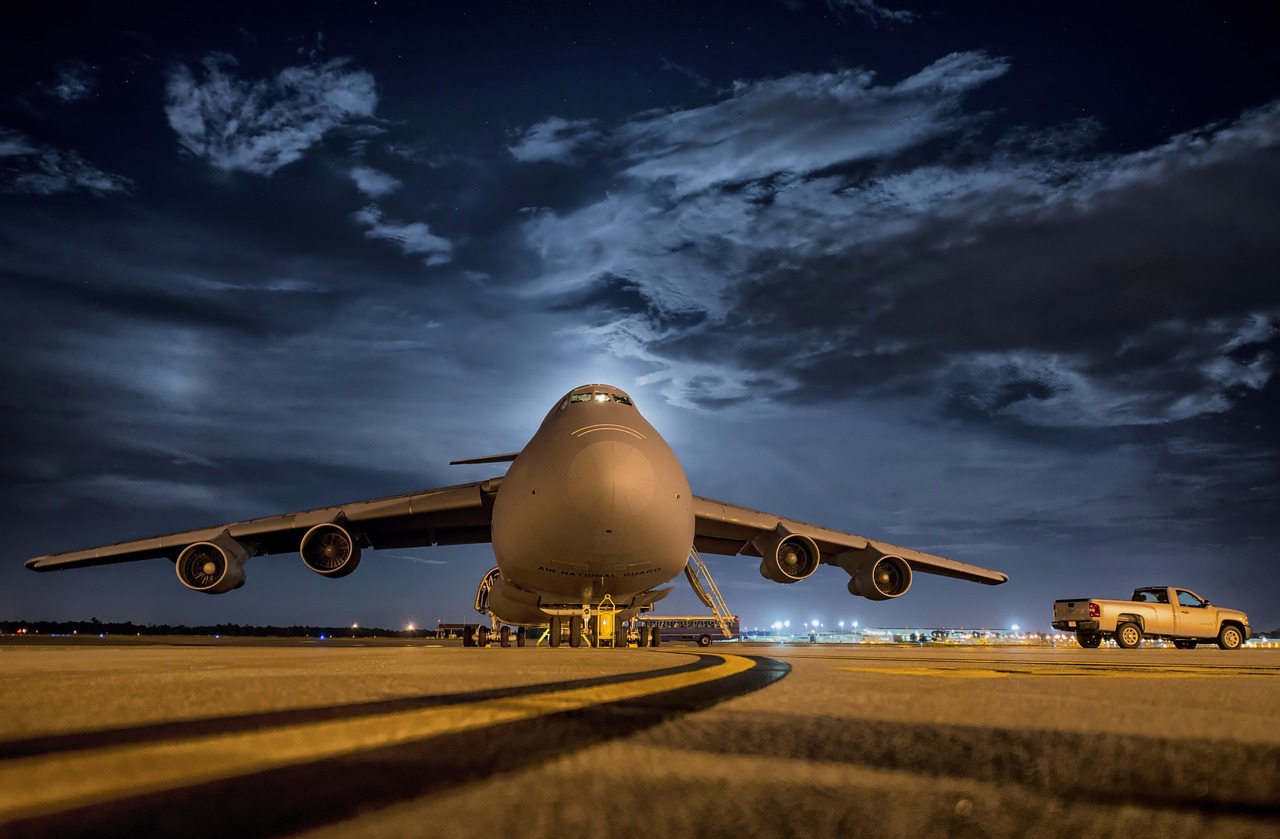
Air Charter to Europe When Sea Freight Misses the On-Sale Date
A consumer electronics launch where the retail on-sale date falls inside sea freight's transit window, and how charter and split-shipment options are assessed.
Representative scenario, not a specific client engagement. This page describes how a shipment of this kind is genuinely handled — the constraints, the approach, and where it commonly goes wrong. It does not name or describe a real Transeasy customer. Our two documented project moves are the Mexico container move and the India overweight cargo delivery.
The situation
Consumer electronics launches are planned backwards from a fixed date. Retail space is allocated, marketing spend is committed, and pre-orders are taken against a day on which the goods must be on sale. Production, meanwhile, runs to its own reality, and a final certification sign-off or a firmware freeze can push the factory ready date two or three weeks later than the plan assumed. Nothing about the launch date moves in response.
Sea freight from South China to North European base ports runs to an indicative thirty to forty days port to port, before pre-carriage, customs and inland delivery are added. Once the ready date slips into that window, the sailing schedule can no longer deliver the on-sale date. The question is no longer whether to use air freight but which air product to buy, because the gap between a general cargo booking and a full charter is very wide.
What made it difficult
- The on-sale date is fixed by retail and marketing commitments, so transit time is a hard constraint rather than a preference to be traded against rate.
- Launch volumes are often too large for a single scheduled uplift yet too small to fill a main-deck freighter, which makes part charter and split consignment the real decision rather than charter or nothing.
- Consumer electronics almost always contain or are packed with lithium cells, so the air product chosen must accommodate the applicable IATA Dangerous Goods Regulations packing instruction and the carrier's own acceptance policy.
- Destination distribution centres work to booked receiving appointments, so cargo arriving well ahead of its slot delivers no benefit while still paying air rates.
How it is approached
The first task is to establish the real deadline rather than the desired one. Work backwards from the on-sale date through distribution-centre processing, the retail delivery window, inland transport, customs release and airport handling, and what remains is the latest acceptable arrival at the destination airport. That date, not the rate card, governs every subsequent decision, and it usually falls several days earlier than the launch date alone would suggest.
Next, measure the consignment honestly. Consumer electronics in retail packaging are volumetric, and air freight charges on the greater of gross and volumetric weight at the standard 1:6000 ratio, so chargeable weight is normally well above scale weight. Establishing chargeable weight, the pallet build and whether the cargo is main-deck or lower-hold capable is what makes a charter quotation comparable with a series of general cargo bookings at all.
Charter economics turn on that number. Below the break-even volume for the aircraft types serving the lane, splitting the consignment across consecutive scheduled services is cheaper and often arrives inside the same window. Above it, a part charter or full charter buys certainty of uplift that general cargo cannot guarantee in peak. The comparison must include handling, trucking at both ends and the cost of missing the launch, not the flight alone.
In parallel, the battery position is settled before the booking rather than after, because the applicable packing instruction governs what can lawfully be tendered and on which carrier. The usual outcome is a deliberate split: an air tranche sized to opening-week sell-through, with the balance following by sea as replenishment. That protects the launch date without paying air rates on stock that will not sell for six weeks.
Facing something similar?
Send us the cargo details and we'll come back within one business day with routing options and a real price.
Takeaways
- Air freight for a launch is bought against a deadline rather than a rate, so establishing the latest acceptable airport arrival is the first piece of work, not the last.
- Splitting a launch volume into an air tranche sized to opening-week demand and a sea tranche for replenishment almost always costs far less than flying the whole order.
- Charter only makes sense above a break-even chargeable weight for the aircraft available on the lane, and below it consecutive scheduled bookings are both cheaper and faster to arrange.
- Lithium battery classification and documentation must be resolved alongside the booking, because a consignment that cannot be tendered on the day is as late as one that was never booked.
Frequently asked
Airport to airport on direct services is typically one to three days, but the door-to-door figure is what matters for a launch. Allow an indicative five to eight working days from factory collection to delivered destination, covering export handling, uplift, arrival handling, customs clearance and inland transport. Peak season, dangerous goods documentation and consolidation cut-offs can all extend that, so plan against the door-to-door range.
It depends on chargeable weight. A charter buys guaranteed uplift on a chosen day, which matters when scheduled capacity is tight and a missed flight means a missed on-sale date. Below the break-even volume for the aircraft available, splitting the cargo across consecutive scheduled services is cheaper and usually arrives within the same window. Compare the two on landed cost, including handling and trucking at both ends.
Yes, and for launches it is often the cheapest way to hold the date. Size the air tranche to the volume you expect to sell in the opening weeks, and move the balance by sea to arrive as replenishment. The two tranches need separate bookings, separate customs entries and matching commercial documentation, and the sea portion should be booked at the same time rather than left to chance.