

A Mid-Season Reorder That Ocean Cannot Reach and Air Cannot Justify
When a best-seller sells through early, China-Europe rail sits between an ocean transit that arrives too late and an air rate the margin cannot carry.
Representative scenario, not a specific client engagement. This page describes how a shipment of this kind is genuinely handled — the constraints, the approach, and where it commonly goes wrong. It does not name or describe a real Transeasy customer. Our two documented project moves are the Mexico container move and the India overweight cargo delivery.
The situation
A style sells through faster than plan, and the buyer wants a repeat while the demand is still there. The reorder is placed mid-season, which puts it in an awkward space. Ocean will deliver the goods after the selling window has closed, at which point the repeat is next season's markdown stock. Air will deliver in time, but on a moderately priced garment the freight per unit can absorb most of the incremental margin.
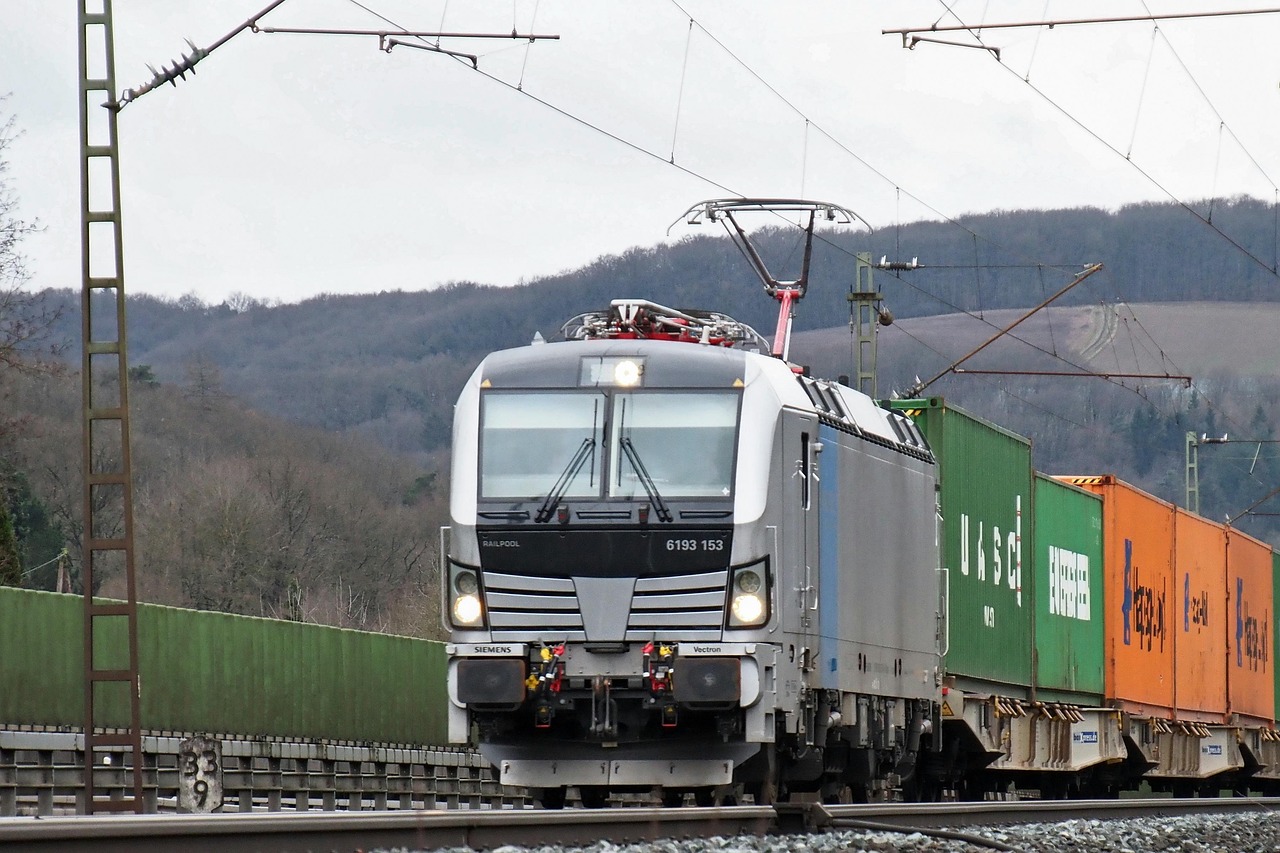
Treated as a binary choice, the decision is made on instinct and defended afterwards. Rail on the China to Europe corridors sits between the two, with an indicative terminal-to-terminal transit in the region of eighteen to twenty-five days and a rate well below air. Apparel suits it: light, high in value density and rarely restricted. Corridor routing and capacity have varied in recent years, so availability is confirmed at the time of booking rather than assumed.
What made it difficult
- Rail transit is indicative rather than scheduled in the way an airline is, and border crossing and gauge-change dwell can vary from week to week.
- The departure terminal that suits the corridor may not be the one nearest the factory, so an inland pre-carriage leg often has to be planned and paid for.
- Containers on a continental crossing are neither heated nor cooled, which matters for some goods even where garments themselves are tolerant.
- A reorder only earns anything if it reaches the shop floor while the style is still selling, so the decision carries its own deadline and gets worse each day it is deferred.
How it is approached
The first task is to replace 'as soon as possible' with a date: the last day on which the goods can arrive and still sell at full price, allowing for distribution centre processing and store allocation. That date determines which modes are genuinely in contention. Without it, the discussion is about freight rates. With it, the discussion becomes arithmetic and can be finished in an afternoon.
Every option is then converted to a cost per garment and set against the gross margin per garment and the units realistically sellable in the remaining window. A rate per kilogram or per container tells a merchandiser nothing on its own. Expressed per unit against margin per unit, air, rail and ocean stop being preferences and become three numbers, one of which is clearly right for this particular style.
The reorder rarely needs to travel as one shipment. A small air tranche covering the core sizes and best-selling colours closes the immediate gap on the shop floor, the bulk follows by rail to arrive while the window is still open, and any quantity intended as carry-over or for a later market can stay on the water. Splitting buys speed only for the units whose sales curve justifies paying for it.
The rail leg is then managed on its detail. Departure terminal and cut-off are confirmed in writing along with the corridor and destination terminal, the European inland leg from terminal to distribution centre is arranged before departure rather than on arrival, and the customs entry reuses the classification and origin evidence established for the original ocean shipment, so that a repeat order does not create a fresh compliance question.
Facing something similar?
Send us the cargo details and we'll come back within one business day with routing options and a real price.
Takeaways
- Mode selection on a replenishment is a margin calculation rather than a freight preference, and it cannot be made until the last profitable arrival date is written down.
- Converting every option to a cost per garment against gross margin per garment settles the air, rail and ocean debate faster than any discussion of rate per kilogram.
- Splitting a reorder across modes usually beats a single choice, because it pays for speed only on the units that need it.
- Rail transits are indicative and depend on corridor conditions at the time, so book the destination inland leg before departure and keep contingency for border dwell.
Frequently asked
Indicatively around eighteen to twenty-five days terminal to terminal on the main corridors, varying with the departure terminal, the border crossing used and the destination terminal. Add pre-carriage from the factory, customs clearance and the inland leg to the warehouse, and a door-to-door planning assumption closer to four weeks is more realistic than the headline transit figure.
Yes, typically by a wide margin, while remaining considerably faster than ocean. For apparel the useful comparison is cost per garment rather than rate per kilogram or per container. Rail often lands in the range where a mid-season reorder still carries an acceptable margin, which is precisely the space where air is too expensive and ocean arrives too late.
Air is fastest, and for a small tranche covering the best-selling sizes and colours it can be justified on margin. For the balance of the reorder, rail usually gives the better outcome once cost per garment is set against the remaining selling window. Many buyers split the order, sending a small air shipment immediately and the bulk by rail.