
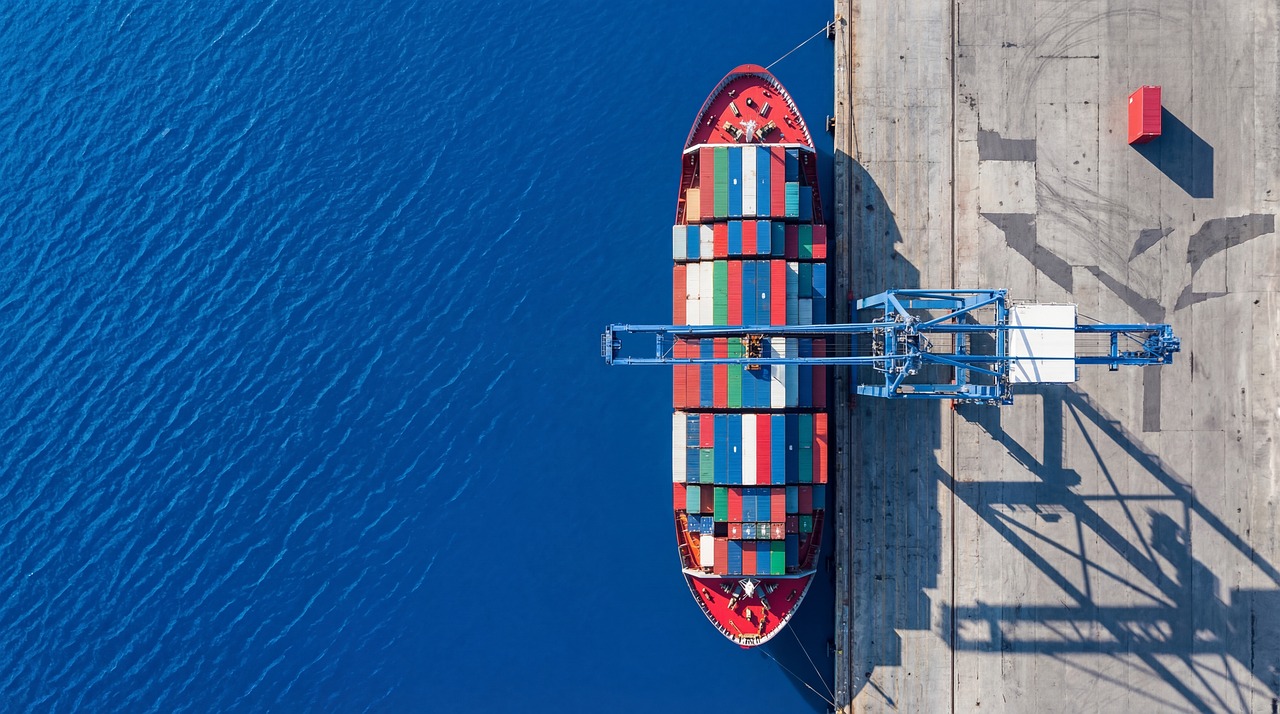
Many shipments move most efficiently not by picking one mode, but by combining several — rail for the long overland haul, road for the last mile, ocean for the bulk of the distance where it makes sense. Multimodal (or intermodal) shipping plans the whole journey as one coordinated route rather than a series of separate bookings.
The advantage is optimization: a route that is entirely ocean freight might be cheapest but slowest; a route that is entirely air freight might be fastest but most expensive. A multimodal route — sea freight for the main leg, rail or road for inland distribution on either end — can land in between on both cost and speed, tailored to what actually matters most for that particular shipment.
The coordination challenge is real, though: each mode transition is a handoff point where cargo, documentation, and customs status all need to transfer cleanly. This is exactly why a single point of contact across every leg of the journey matters — when Transeasy plans a multimodal route, one team is accountable for the whole thing, not just their own segment of it.
If your shipment involves more than one mode, or you are not sure whether it should, that is a route-planning conversation worth having before booking any individual leg — the modes have to work together, and planning them separately usually costs more than planning them as one route.